The Yuma Diesel Engine Repair Guide
Diesel Engine Repair in Yuma
Yuma sits at the center of the I-8 freight corridor, where commercial trucks move lettuce, winter produce, and agricultural goods through the region year-round. When a diesel engine goes down on that corridor, every hour of downtime costs the operator money. We evaluated the repair-specific feedback for every diesel shop in the market and ranked the providers Yuma truck operators trust most when an engine problem can't wait.
The diesel faults that strand trucks on the I-8 corridor
The I-8 corridor through Yuma handles a steady flow of agricultural freight, cross-border commercial traffic, and long-haul loads moving between California and Arizona. The faults that sideline trucks on this stretch follow a predictable pattern. DEF system failures are among the most common on modern emissions-equipped diesels: a faulty DEF injector, a contaminated tank, or a sensor failure triggers a derate that limits the engine to crawl speed or less, turning a minor fault into an immediate emergency. Injector problems show up next, often presenting as rough running, excessive smoke, or a check engine light that escalates to a no-start.
Electrical faults tied to engine management systems are the third common category, and they require a tech who can read fault codes accurately and trace the underlying cause rather than clearing codes and sending the truck back out. On older engines, turbocharger failures and exhaust system issues round out the list. Yuma's summer heat accelerates wear on cooling system components, so a truck that ran fine through a northern winter may reveal a marginal water pump or thermostat on its first hot-weather run through the desert.
Diesel aftertreatment care in Yuma's stop-and-go heat
Modern emissions-equipped diesels rely on a chain of aftertreatment components: the diesel particulate filter captures soot, DEF fluid is injected to neutralize NOx, and the selective catalytic reduction system finishes the job. Each step requires sustained exhaust temperatures to function correctly. Trucks that spend significant time idling at Yuma loading docks, crossing points, or agricultural staging areas may not reach the temperatures needed for a passive DPF regeneration, which causes soot to accumulate faster than the system can burn it off. When that builds up, the truck initiates an active regen, which demands additional fuel and can fail if interrupted by shutting the engine down mid-cycle.
Yuma's extreme summer heat compounds the problem by stressing DEF tanks and lines. DEF can degrade if stored above recommended temperatures for extended periods, and a contaminated or degraded DEF supply will trigger fault codes and a derate even if the injector and SCR catalyst are in good condition. Keeping the DEF tank above a quarter full, using fresh fluid from quality sources, and not interrupting active regens are practical habits that prevent a large share of the aftertreatment calls that Yuma shops see during peak season.
Mobile versus shop repair: choosing the right format on the corridor
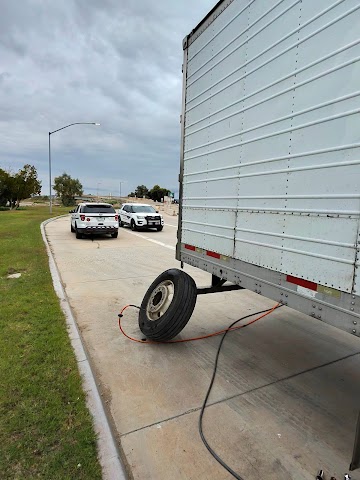
A mobile tech can reach a truck at a fuel stop, a loading dock, or on the side of the highway and handle many common diesel faults without requiring a tow. That format makes sense for electrical diagnosis, injector work that can be done on-site, and component swaps where the parts are available locally. The tradeoff is that a mobile tech works without a lift, without a full shop's worth of specialty tooling, and sometimes in direct sun at 110 degrees, which narrows the range of repairs that can be done safely and completely at the roadside.
A shop repair is the right call when the fault requires a lift, transmission or engine removal, or access to equipment that cannot travel to the truck. The practical approach for a Yuma breakdown: call a mobile tech first to assess the situation, and use that diagnosis to decide whether a tow to a shop is warranted. The shops listed here operate in both formats or work closely enough together that a referral between them is not unusual.