The Yuma Water Treatment & Softeners Guide
Water Treatment & Softeners in Yuma
Yuma's water ranks among the hardest in the country, loaded with minerals from the Colorado River that scale up fixtures, shorten appliance life, and leave dishes spotted and skin dry. We read the water-treatment reviews for every plumbing shop in town and ranked the ones Yuma homeowners trust most to install, service, and troubleshoot softeners and filtration systems.
Why Yuma water is a different problem than most cities face
The Colorado River water that supplies most of Yuma carries mineral concentrations that rank among the highest in the United States. Calcium and magnesium dissolve into the water as it moves through the desert and collect in reservoirs before reaching the tap, so even city-treated water arrives at a hardness level that most plumbing fixtures and water heaters were not designed to handle long-term. The result is visible fast: scale on faucets and showerheads, cloudy spots on dishes, and a filmy feeling in the shower that no amount of soap fully cuts.
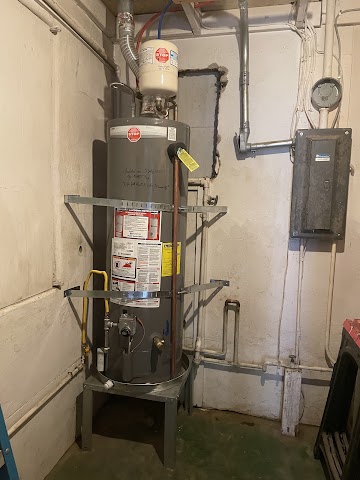
The less visible damage is the more expensive one. Scale accumulates inside water heater tanks and reduces efficiency before the heater ever shows signs of trouble. It coats the heating element, forces the unit to run longer, and eventually shortens its useful life by years. Washing machines and dishwashers face the same slow attrition. A water softener in Yuma is not a luxury upgrade, it is a straightforward way to protect the appliances that hard water quietly grinds down.
Salt-based softeners vs. salt-free conditioners: what actually works in Yuma
Salt-based ion exchange softeners are the standard solution for genuinely hard water. They swap calcium and magnesium ions for sodium ions, so the water leaving the softener tests at a dramatically lower hardness level. For Yuma's mineral load, this is the treatment type with the most evidence behind it, and it is what most plumbers in the area install and service. The ongoing cost is salt pellets added to the brine tank on a schedule that depends on your household's water use.
Salt-free conditioners and template-assisted crystallization systems are marketed as a no-maintenance alternative, but they work differently. Instead of removing minerals, they change the physical form of the calcium and magnesium so it is less likely to stick to surfaces. In moderate-hardness water this can be effective, but in Yuma's high-mineral water the results are less consistent, and these systems do not reduce the hardness number a tester would measure. If a contractor is pushing a salt-free system for a Yuma home with a verified high hardness reading, ask them to show you documented performance data for similar local conditions.
Reverse osmosis for drinking water in Yuma
A whole-house softener handles scale and appliance protection, but it does not address taste or dissolved contaminants in drinking water. Reverse osmosis systems installed under the kitchen sink push water through a semi-permeable membrane that removes the majority of dissolved solids, including minerals, nitrates, and other compounds that affect taste. For Yuma, where water can have a flat or slightly mineral taste straight from the tap, an RO system at the kitchen sink is a common and well-supported addition to a whole-house softener.
- A standard under-sink RO system typically uses three to five filter stages, with the membrane as the primary treatment step.
- The storage tank holds treated water ready for the tap, which matters because the membrane filters slowly.
- Membrane life depends on how much water you run through it and how well pre-filters are maintained; a clogged sediment pre-filter stresses the membrane early.
- RO systems need periodic re-pressurization of the storage tank when flow slows, a common and inexpensive service call in Yuma.
- If you already have a whole-house softener, mention it when specifying the RO system so the installer can confirm the membrane is compatible with softened water input.
Water treatment for snowbird homes and seasonal properties
Yuma's large snowbird population creates a specific water treatment concern that full-time residents do not face in the same way. When a home sits empty through the summer, a salt-based softener's brine tank can bridge over or form a crust if salt was left at a high level before departure. Returning to a system that has not regenerated in months, or has gone into bypass, means the appliances ran on untreated hard water during the hottest months of the year, exactly when a water heater works hardest.
Before leaving for the season, ask your plumber to check the salt level, run a manual regeneration cycle, and confirm the bypass valve position. Some snowbird homeowners put the system into bypass intentionally to conserve salt during months when no one is there, which is a reasonable approach as long as the appliances can tolerate the break. On return, a service call to re-pressurize the RO system and check the softener's salt bridge is a worthwhile hour of maintenance before putting everything back into regular use.