The Yuma Water Heater Repair & Installation Guide
Water Heater Repair & Installation in Yuma
A failed water heater in Yuma rarely gives you a warning, and the city's extremely hard Colorado River water speeds up the failure timeline, corroding anode rods, packing tanks with sediment, and shortening the life of both tank and tankless units. We reviewed the service-specific feedback for every plumbing shop in town and ranked the crews Yuma residents call first when the hot water goes out.
Why Yuma water heaters fail faster than the national average
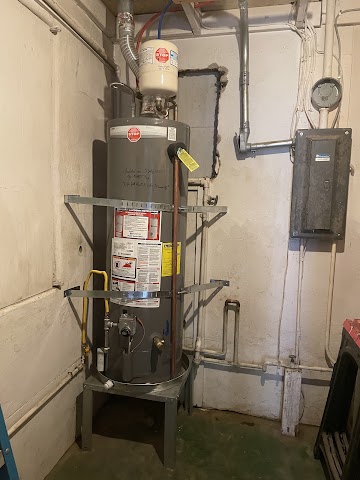
Yuma's water is some of the hardest in the country, drawn from the Colorado River and arriving at the tap laden with calcium and magnesium that drop out as scale the moment water heats up. Inside a tank heater, that scale accumulates on the heating element and the tank floor, cutting efficiency and trapping heat that accelerates corrosion from the bottom up. Anode rods, the sacrificial metal that protects the tank lining, corrode faster in hard water too, often needing attention well before the standard recommendation of three to five years.
For heaters parked in Yuma garages, ambient heat adds another layer of stress. A garage that reaches 140 degrees in July puts the standby temperature differential near zero for months, meaning the tank cycles more frequently against warmer incoming water and the pressure relief valve sees more thermal stress over a season. Snowbird homes face the opposite problem: stagnant water in an unused tank accelerates sediment settlement and allows the anode rod to deplete without the regular cycling that would otherwise slow the process.
Tank vs. tankless: what makes sense in Yuma
Tankless heaters eliminate the standby heat loss that tanks suffer, and in a Yuma garage where ambient temperatures are high, that efficiency gap is real. They also sidestep sediment accumulation at the tank floor, though Yuma's hard water still attacks tankless heat exchangers without a descaling routine or upstream softening. The tradeoffs are higher upfront cost, more complex installation, and the gas line or electrical service upgrade that most Yuma homes need to support a tankless unit.
Sediment, anode rods, and hard-water maintenance
A sediment flush once a year is the single most effective thing a Yuma homeowner can do to extend tank life. The process drains accumulated mineral deposits off the tank floor, which otherwise insulate the heating element, force longer heating cycles, and accelerate corrosion. Most plumbers can perform the flush during a routine service call and will check the anode rod at the same time.
A water softener upstream of the heater is the more thorough approach, removing dissolved minerals before they enter the tank or heat exchanger. Softeners require their own maintenance and a salt supply, but homes with softeners consistently see longer heater life and fewer element failures. For tankless units in particular, softening or at minimum a scale inhibitor filter is worth the added cost given Yuma's water conditions.
- Flush the tank annually to clear sediment from the floor; do it sooner if you hear rumbling or popping during heating cycles
- Check the anode rod every two to three years in Yuma; hard water depletes it well ahead of national guidelines
- Set the thermostat to 120 degrees F for normal household use; higher settings accelerate scale buildup
- Before leaving a snowbird home for the season, drain the tank or switch to vacation mode and arrange a flush on return
- Rust-colored water or a sulfur smell from the hot tap usually means a depleted anode rod; call a plumber before the smell gets into the tank lining
Gas, electric, and recirculation: the remaining decisions
Most Yuma homes have gas tank heaters, and a like-for-like replacement is the straightforward path when a tank fails. Switching fuel sources involves new supply lines, permits, and often a panel or line upgrade, so it is rarely the right call unless the existing supply has a specific problem. For homes moving to tankless, gas is generally preferred because it delivers higher flow rates without demanding the electrical service upgrade that a large electric tankless unit requires.
Recirculation systems are worth asking about if the distance from the heater to a bathroom or kitchen means a long cold-water wait. A recirculation pump keeps a small volume of heated water moving in a return line or through the cold-water pipe, so the tap runs hot almost immediately. In a spread-out Yuma home where the heater sits in a garage at one end of the house, the comfort difference is noticeable, and a qualified plumber can evaluate whether your plumbing supports the addition without a major rework.