The Best Commercial HVAC in Yuma
◆ Save Yourself the Scroll ◆
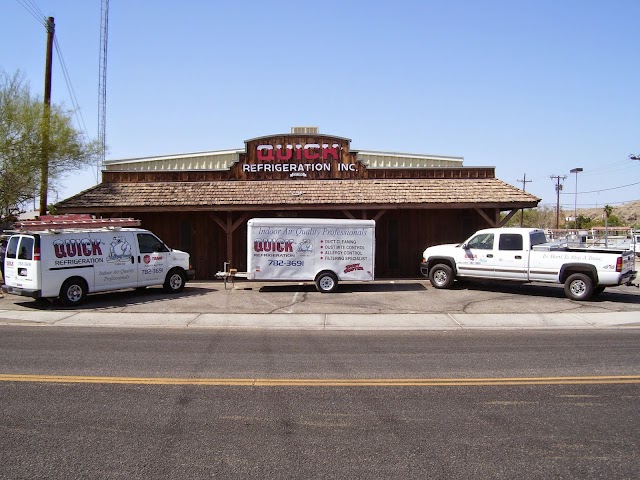
Quick Refrigeration is Yuma's top choice for commercial HVAC, with a certified Trane dealer status, around-the-clock dispatch, documented service records, and the commercial volume that makes it the busiest commercial HVAC operation in the market.
By The Scoop Editorial Team · How we pick · Updated September 2026
The Yuma Commercial HVAC Guide
Commercial HVAC in Yuma
Commercial HVAC in Yuma is a different game from residential: a rooftop unit failure on a warehouse or restaurant does not just mean discomfort, it means lost revenue, spoiled inventory, and a workforce that cannot safely stay on the floor. We evaluated the Yuma shops best equipped to handle commercial loads, from light-office package units to walk-in cooler and freezer systems, and ranked the contractors who show up fast and carry the right commercial parts.
Rooftop package units and why commercial work is different
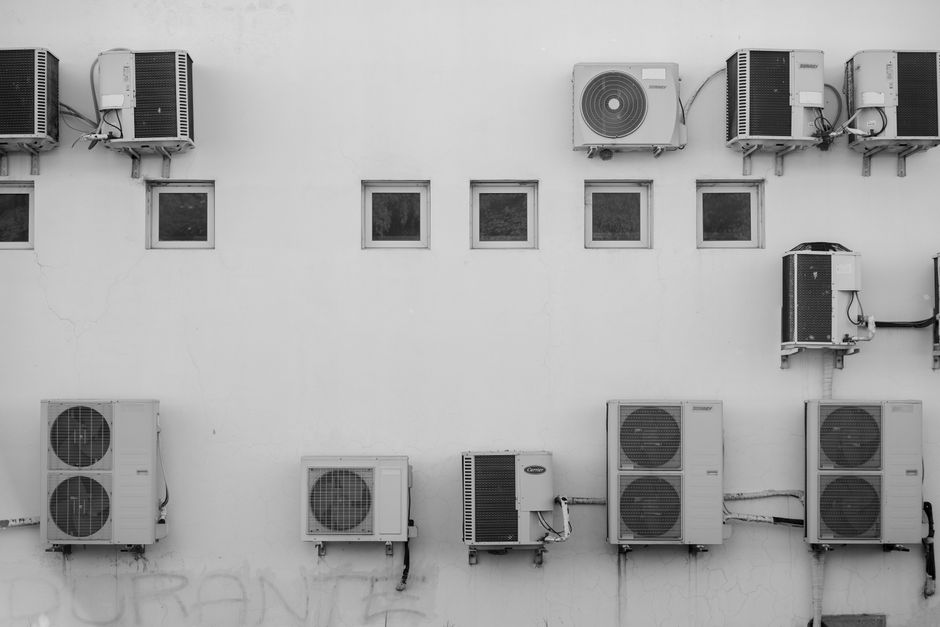
Most Yuma commercial buildings run rooftop package units, or RTUs, rather than the split systems common in homes. An RTU puts the entire mechanical assembly on the roof: compressor, condenser, evaporator, and air handler all in one cabinet, exposed to a rooftop surface that regularly reaches temperatures well above ambient air in summer. That exposure accelerates wear on every moving part and demands a contractor who services commercial equipment regularly, not one who learned RTUs on the side after a residential career.
Getting to a rooftop unit often means a crane or lift, which most residential shops are not equipped to provide. Larger RTU replacements always require crane service, and even service calls on heavy commercial units may need a lift. Confirming that a contractor routinely handles crane-assisted commercial work is the first filter that separates true commercial HVAC providers from shops that will refer you out when the job gets complicated.
Commercial refrigeration: the stakes for restaurants and cold storage
For restaurants, grocery stores, and any business running walk-in coolers or freezers, HVAC and refrigeration are inseparable concerns. A commercial refrigeration failure in Yuma summer is not just an equipment problem; it is a food-safety emergency. A walk-in freezer that climbs above safe holding temperatures overnight can mean tens of thousands of dollars in spoiled inventory and a health department conversation before reopening.
Not every HVAC shop is licensed or equipped for commercial refrigeration. The refrigerant types, system pressures, and control systems on commercial coolers differ from residential air conditioning, and mishandled refrigerant work on commercial equipment creates liability. When evaluating contractors for a food-service or cold-storage operation, the first question is whether they hold commercial refrigeration licensing, not just HVAC certification.
Downtime cost and why response speed matters more commercially
In a residential HVAC failure, the cost is discomfort. In a commercial one, the cost is the business. A restaurant that loses its walk-in cooler on a Friday afternoon is looking at a lost dinner service, potential spoilage, and a Saturday opening that may not happen. A warehouse or distribution center running a 115-degree floor cannot expect workers to stay productive or safe. The economic case for around-the-clock emergency commercial HVAC is stronger in Yuma than almost anywhere in the country.
This is why maintenance contracts carry so much weight on the commercial side. A shop that is already familiar with your rooftop units, knows the equipment history, and has a standing service relationship can respond faster and diagnose more accurately than a cold call to a shop that has never seen your system. Negotiating emergency response language into a preventive maintenance contract, not just annual tune-ups, is the single best risk-management step a Yuma commercial property manager can take.
Preventive maintenance and planned replacement for property managers
Property managers running multiple commercial units in Yuma face a compounding risk: any one of several RTUs can fail during peak demand, and reacting to each failure individually is expensive and disruptive. A structured preventive maintenance program addresses this by catching failing components before they strand the system. Pre-summer inspections typically cover belts, bearings, contactors, capacitors, refrigerant charge, coil cleanliness, and drain lines, all of which degrade faster in Yuma's heat load than in milder markets.
Planned replacement is the other half of the equation. An RTU that is approaching the end of its useful life in a mild climate may already be beyond it in Yuma, given the year-round cooling load and rooftop heat exposure. A commercial contractor worth hiring will give an honest assessment of remaining equipment life, not just quote the next repair. Budgeting for planned replacements on a rolling schedule avoids the worst-case scenario: an emergency crane call to replace a failed unit in the middle of July when labor and equipment availability are at their tightest.
- Pre-summer inspection should cover contactors, capacitors, belts, coil cleanliness, and refrigerant charge
- Drain pans and condensate lines are a commercial failure point in high-load Yuma summers; verify they are part of every inspection
- Ask for a written equipment condition report after each maintenance visit so you have a paper trail for replacement budgeting
- For properties with multiple RTUs, stagger replacement on a rolling cycle to avoid a large capital outlay in a single year
- Emergency response language in the maintenance contract should define maximum response time, not just include a general priority-service clause