The Yuma Check Engine & Diagnostics Guide
Check Engine & Diagnostics in Yuma
A check engine light in Yuma rarely means just one thing: desert heat stresses sensors, wiring, and electronics in ways that produce intermittent codes and misleading readings that send guessing shops down the wrong path. We read the diagnostic-specific reviews for every shop in town and ranked the crews that get the fault right the first time.
Why Yuma is hard on vehicle electronics
Sustained triple-digit heat does things to vehicle wiring, sensors, and control modules that mechanics in milder climates rarely see. Thermal expansion cycles stress connector seals and wiring insulation over thousands of desert miles, producing intermittent shorts and open circuits that vanish when the vehicle cools down and a scanner is plugged in. Oxygen sensors, MAF sensors, and crankshaft position sensors all carry operating temperature ratings that Yuma ambient temps push toward the limit, shortening their reliable service life.
The result is a diagnostic environment where a code logged during a hot afternoon drive may not reproduce on a cool morning in the shop. Shops that simply clear the code and send the vehicle out are not diagnosing; they are waiting for the light to return. The shops that consistently get it right in this market are the ones who read live data under load, understand which codes are heat-driven, and have seen enough Yuma-specific failure patterns to know where to look first.
How a diagnostic actually works
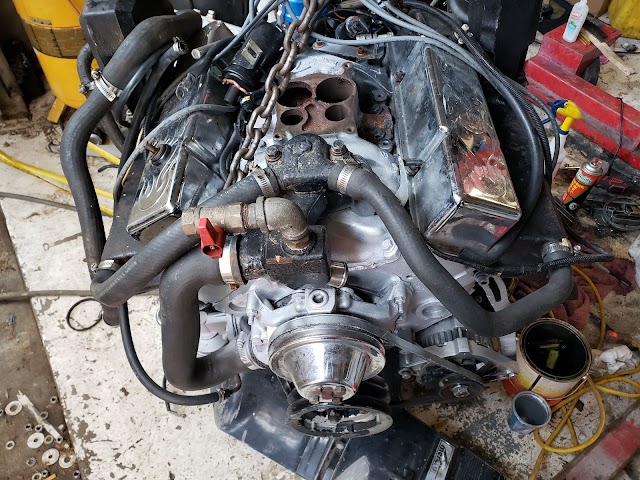
Connecting a scanner and reading codes is the starting point, not the end. A stored fault code tells a technician which system triggered an alert, not which component failed and why. From there, a competent diagnostic involves checking freeze-frame data to understand the conditions when the fault set, testing the suspect sensor or circuit with a multimeter or scope, and cross-referencing the reading against factory specifications for that vehicle. On diesel and specialty vehicles, this requires manufacturer-specific scan tools, not just a universal OBD reader.
The distinction matters for cost. A parts-swapping approach to diagnostics can mean replacing three components to fix one fault; an accurate diagnostic replaces the one that actually failed. In Yuma, where vehicles often come in with multiple heat-related codes stored at once, sorting the root cause from secondary symptoms is the work that separates a shop doing real diagnostics from one just running through the code list.
When to get a second opinion
A diagnostic outcome worth questioning looks like this: the shop returns the vehicle with codes cleared, says they could not reproduce the fault, and charges a diagnostic fee without identifying anything. That is not a diagnosis; it is an absence of one. If the light returns within a few days, the fault was still there and was not found.
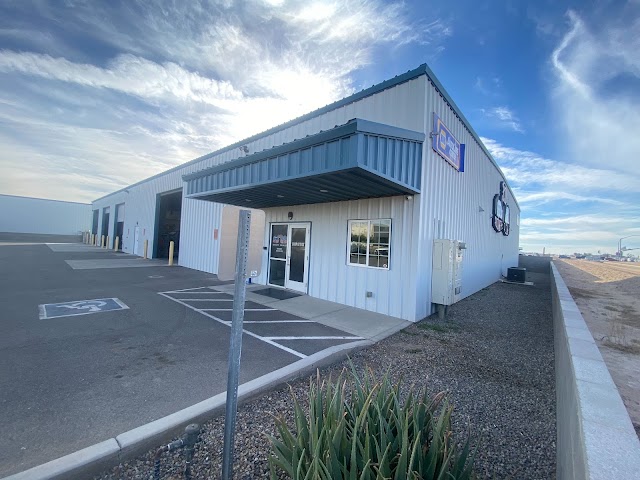
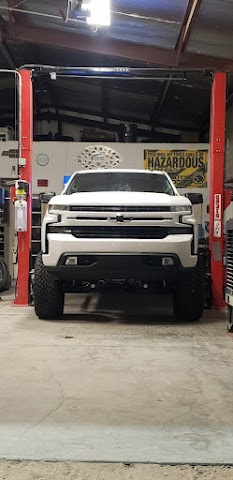
A second opinion is also worth getting when the repair quote seems disconnected from the original symptom. A check engine light triggered by an evaporative emission code should not lead straight to a fuel pump replacement without a clear explanation of the logical path between them. The shops in this guide that reviewers specifically mention for catching misdiagnoses from prior shops are Navarro's and Desert Fox; both have documented cases of identifying the actual fault after a customer had already paid elsewhere for the wrong repair.
- Light returned within a week after the shop cleared it without a firm diagnosis
- The quoted repair does not logically connect to the code or symptom described
- The shop lacks the software to read your specific make or diesel system
- Multiple components are being replaced to solve a single fault with no diagnostic data to support the sequence
What to expect on a diagnostic visit
Most Yuma shops pull and read codes within the first hour, then follow up with a call or in-person explanation of what was found. The better shops will tell you the fault code, what it means in plain language, the component or circuit they believe is at fault, and why. That explanation is worth asking for if it is not offered.
Turnaround on a straightforward diagnostic is typically the same day; a clear fault code on a common vehicle often takes less time than the paperwork. More complex intermittent faults or unfamiliar vehicles take longer because the tech needs to reproduce the condition that triggered the fault. If your vehicle is the type that only misbehaves on a hot afternoon, say so when you drop it off so the shop can plan the diagnostic around reproducing those conditions.