The Best Brake Repair in Yuma
◆ Save Yourself the Scroll ◆
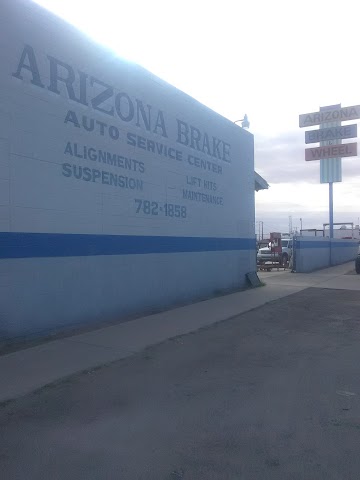
Arizona Brake Auto Services Center is Yuma's top pick for brake repair, a dedicated brake shop known for honest assessments, same-day turnaround, and work that holds up across the desert's most demanding driving conditions.
By The Scoop Editorial Team · How we pick · Updated September 2026
The Yuma Brake Repair Guide
Brake Repair in Yuma
Yuma's combination of searing heat, stop-and-go town traffic, and long desert highway runs is genuinely hard on brake systems, grinding through pads and warping rotors faster than in most other climates. We reviewed the brake-specific feedback for every shop in town and ranked the crews Yuma drivers trust most when grinding, squealing, or a soft pedal tells them it is time to act.
Why Yuma is hard on brakes
Brake systems in Yuma wear faster than in most of the country, and the reasons stack up. Temperatures regularly exceed 110 degrees for weeks at a time, and brake components that cycle through hard stops absorb and radiate that heat in a way that accelerates wear on pads and warps rotors over time. Desert dust and grit also work into the caliper slides and rotor surfaces, acting as a fine abrasive that shortens the life of pads that might last twice as long in a cleaner, cooler climate.
The driving pattern adds another layer. In-town Yuma involves plenty of stop-and-go at long traffic signals, which works brake components hard in heat-soaked conditions. Then the same vehicle might immediately head out on long, fast desert highway runs where heat buildup from highway speed and the occasional hard stop for a slow driver or an animal in the road compounds the thermal stress. Snowbirds and RV travelers rolling in from long hauls often discover their brakes are further along than they thought once the vehicle has sat in Yuma's heat for a few days.
Brake warning signs and when to act
A high-pitched squeal from the wheels when braking is typically the wear indicator doing exactly what it is designed to do: metal contacting the rotor to signal the pads are near the end of their life. That is the point to schedule service, not ignore it. A grinding noise is a different and more urgent signal: it usually means the pad material is gone and metal is contacting the rotor directly, which damages the rotor quickly and raises stopping distances. A pulsing or shuddering through the pedal when braking points to warped rotors, common in Yuma from repeated thermal cycling. A pedal that feels soft or travels further than usual before the car slows down points to brake fluid issues or a caliper problem.
Heat can also accelerate brake fluid degradation. Brake fluid is hygroscopic, meaning it absorbs moisture from the air over time, and moisture lowers its boiling point. In Yuma, where brake components run hotter than average, degraded fluid is more likely to boil under hard braking, causing a sudden loss of pedal feel at the worst possible moment. Having the fluid tested or changed on schedule is a routine step that is easy to skip and expensive to learn about on a highway.
Resurface or replace: the rotor question
Rotors can be resurfaced on a brake lathe when there is enough thickness remaining, which removes the warped or grooved surface and restores a clean contact area. The threshold is the manufacturer's minimum thickness specification, and any rotor below it has to be replaced, not turned. In Yuma, many rotors that might be candidates for resurfacing in a milder climate are better replaced outright: the combination of heat cycling and dust wear tends to take rotors to or near minimum thickness by the time the pads are worn anyway, and a thin rotor will warp again faster in the desert heat.
The economics often land in favor of replacement when labor is factored in. Resurfacing saves the part cost but adds lathe time and keeps a thinner rotor that will need replacing sooner. Most Yuma shops will show you the actual thickness measurement if you ask, which is the right way to make the call rather than defaulting to one answer for every situation.
What a brake job actually covers
A full brake service touches more than just the pads. A thorough job includes inspecting and measuring the rotors, cleaning and lubricating the caliper slides so the caliper moves freely, checking the caliper pistons for proper function and any signs of leaking, inspecting the brake lines and hoses for cracks or swelling, and checking the brake fluid condition. In Yuma's environment, caliper slide lubrication matters more than it might elsewhere: dust and heat dry out the lubricant faster, and a caliper that cannot slide freely will drag, causing uneven pad wear and overheating on that corner of the vehicle.
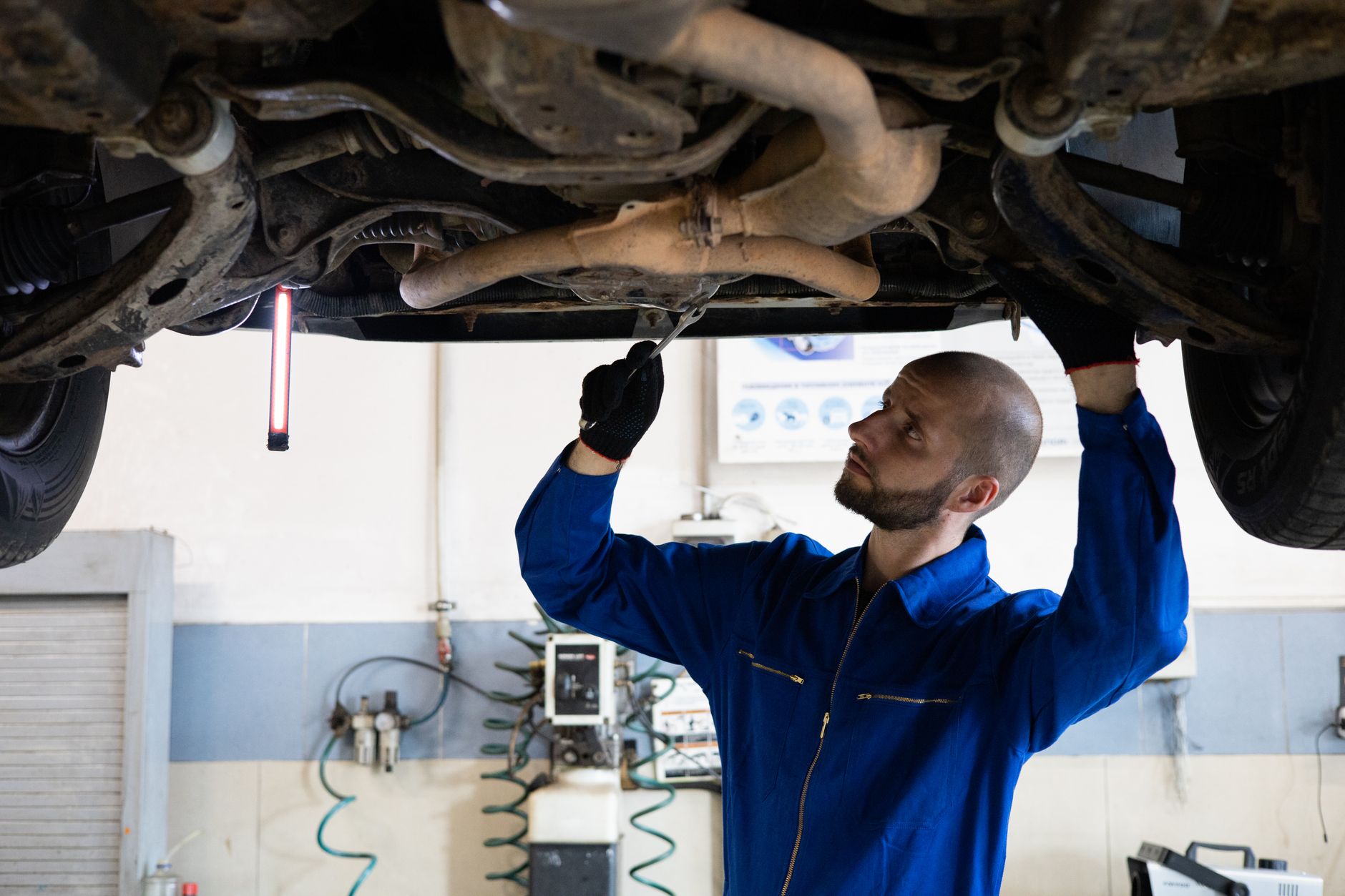
Brake jobs are also a natural moment to catch other suspension and chassis issues. A technician with the wheels off and the vehicle on a lift can spot worn tie rod ends, ball joints, or wheel bearings that might not be obvious otherwise. The shops in Yuma with the strongest brake reputations tend to mention these findings honestly without using them as a springboard for a list of upsells.
- Pad replacement on just one axle is common and correct when only one end is worn; a trustworthy shop will not insist on all four corners unless measurements support it
- Caliper slide lubrication is a critical step in the desert and should be included in every brake service, not treated as an add-on
- Brake fluid should be inspected at every service and replaced if it tests degraded, which in Yuma can happen faster than the typical two-year interval