The Best Rodent Control in Yuma
◆ Save Yourself the Scroll ◆
Master Exterminators is Yuma's top pick for rodent control, with documented elimination of rat infestations, two-week follow-up visits, and more than a year of confirmed rat-free results.
By The Scoop Editorial Team · How we pick · Updated September 2026
The Yuma Rodent Control Guide
Rodent Control in Yuma
Roof rats and pack rats are a persistent challenge in Yuma, drawn by palm trees, citrus, block walls, and attic spaces that stay warmer than the open desert. Unlike many pest problems that peak in summer, rodent pressure often rises in fall and winter as animals seek warmth before monsoon moisture resets the cycle in spring. Catching an infestation early and fully sealing entry points is what determines whether the problem stays solved. We read the rodent-specific review evidence for every company in the market and ranked the crews Yuma residents call when a rodent problem shows up.
Roof rats, pack rats, and the Yuma landscape that welcomes them
Roof rats are the dominant rodent pest in Yuma residential neighborhoods, and the landscape is nearly purpose-built for them. Palm trees provide elevated nesting sites and food when fruiting; citrus and mesquite offer a seasonal food source; block walls create protected travel corridors; and attic spaces in older construction stay warm and dry year-round. Roof rats are agile climbers that enter homes through gaps at the roofline, around cable and pipe penetrations, and through unscreened vents. A colony can establish itself in an attic quickly, and the noise and contamination they leave behind requires treatment, cleanup, and sealing to resolve fully.
Pack rats, also called woodrats, operate differently. They build large, messy nests from sticks, cactus spines, and debris in sheds, under vehicles, and in desert landscaping. They are a particular problem in snowbird homes left unattended: a pack rat midden can appear inside a rarely used garage or storage area in a single season. Both species require different control strategies, so identifying which animal is involved at the outset saves time and money on treatment that would not address the correct animal.
Why exclusion matters as much as elimination
Trapping and baiting will reduce an active rodent population, but without sealing the entry points the same animals used to get in, replacement rodents from the surrounding environment will find their way back within months. Exclusion work, physically closing gaps, adding screens to vents, and protecting gaps around pipes and conduit at the roofline, is what makes rodent control durable rather than a recurring service call. A company that inspects and shows you the access points as part of the service is providing a higher level of protection than one focused only on trap placement.
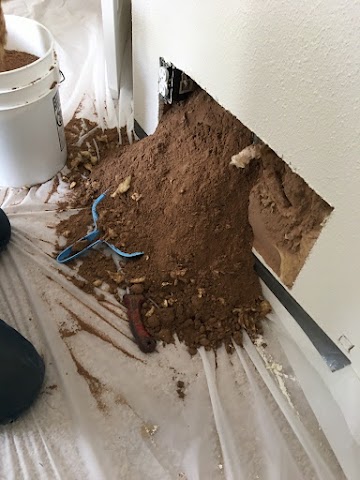
In Yuma's climate, exclusion also intersects with attic conditions. Rodents in an attic soil insulation with droppings and urine, which creates odor, degraded thermal performance, and potential health concerns. If an infestation has been present for more than a short period, ask whether attic inspection and insulation assessment are available alongside the pest control service. Addressing both at the same time avoids a second contractor visit and ensures the treatment is complete.
Yuma's rodent calendar: when pressure peaks and why timing matters
Unlike most pest pressure in Yuma that peaks in summer, rodent activity follows a different arc. Roof rat and pack rat pressure tends to build in fall as overnight temperatures drop and animals seek shelter and food ahead of the cooler months. This is when attic colonization typically begins, because the thermal environment in a Yuma attic in October and November is far more hospitable than the open desert. Snowbird homes that have sat closed all summer are particularly vulnerable: an attic that was rodent-free in April may host an established colony by the time owners return in October.
Palm tree trimming is one of the most effective preventive steps a Yuma homeowner can take, but timing matters. Trimming in late summer, before fall activity picks up, removes harborage and food sources just as rodents begin ranging more actively. Removing old fronds, seed pods, and accumulated debris from palms near the roofline is often the single biggest factor in keeping roof rats away from the structure. A pest company that combines exclusion work with a recommendation on landscape timing is giving advice that treats the source, not just the symptom.